Conner Laugh · Bub's Pressure Washing
Veteran-owned, licensed & insured · Published July 25, 2026

The letter showed up in the mailbox or the portal. Dark streaks on your roof, mildew on your siding, a date to fix it by, and maybe a fine schedule underneath. Take a breath. In Midlands HOA neighborhoods this is one of the most common notices a board sends, and it's one of the easiest to clear. In most cases the board is flagging growth, not damage, and growth washes off.
That staining is algae and mildew. It's alive, and the fix is a low-pressure wash that kills it instead of blasting at it. Most notices can be handled well inside a normal deadline. This article covers what the board is really pointing at, the honest timeline to compliance, and the mistakes that turn a simple letter into a bigger problem.
What the board is actually flagging
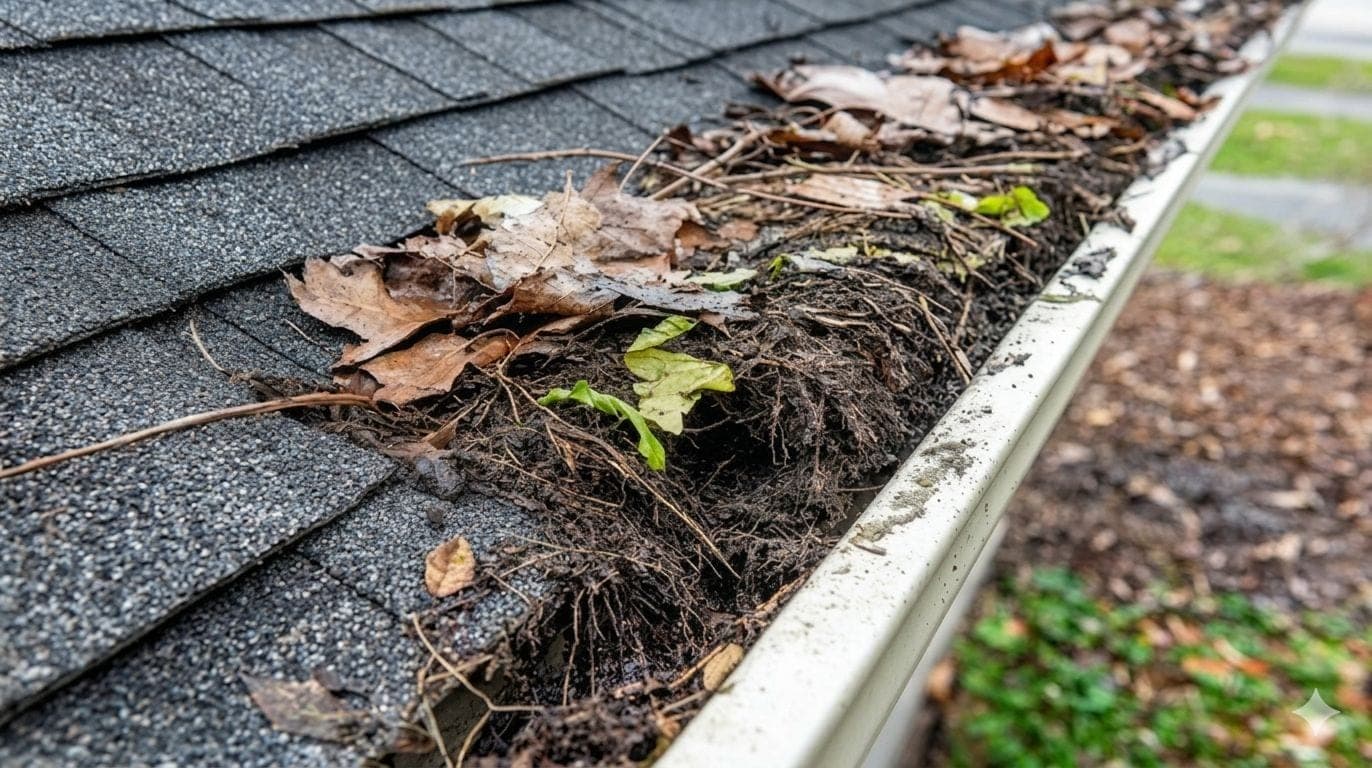
Two things trigger most of these letters. The first is black streaks on the roof, which are a roof algae that feeds on the limestone in asphalt shingles. The second is the green or gray film on siding, which is algae and mildew settling in wherever the wall stays damp and shaded. Neither one means the house is failing. Both are living organisms that our humid summers feed all season long.
That distinction matters when you respond. You're not being cited for a roof that needs replacing or paint that needs redoing. You're being cited for a cleaning issue, and a cleaning issue has a fast, safe fix.
A good share of the calls we get in HOA neighborhoods start with the letter, not the streaks. The homeowner drove past that staining for months without really seeing it. The board saw it from the street, because looking at the street is the board's whole job.
Why these letters come in waves on the same street
HOA neighborhoods get hit street by street, and there's a reason. The houses went up around the same time, with the same shingles, the same siding, and the same maturing trees. The algae spores travel on the wind, so a heavily streaked roof tends to seed the roofs downwind of it. When one house crosses the line the board notices, the neighbors are usually a season behind.
When we wash one house on an HOA street, we can usually stand in the yard and point out the next few roofs that will get the same letter. Same shade, same age, same growth, just a little further along.
Boards also tend to do their drive-through inspections in batches, often ahead of spring or fall. If you got a letter, odds are a few neighbors did too. That's worth knowing, because it means the citation is routine, not personal.
| What the letter says | What it actually is | The right fix |
|---|---|---|
| Roof staining or discoloration | Roof algae, the black streaks | Low-pressure soft wash that kills the growth instead of rinsing it |
| Mildew or dirt on siding | Algae and mildew film on the shaded walls | House soft wash, gentle on vinyl and paint |
| Streaked or dirty gutters | Black tiger stripes, an oxidation stain on the gutter face | Gutter brightening, a separate treatment from a wash |
| Stained driveway or sidewalk | Organic growth and grime ground into the concrete | Pre-treat, then a surface cleaner for one even color |
Rather leave it to a pro?
We will read it in person and tell you exactly what it needs. Veteran-owned, free estimate, no trip fee.
GET MY FREE ESTIMATEThe honest timeline to compliance
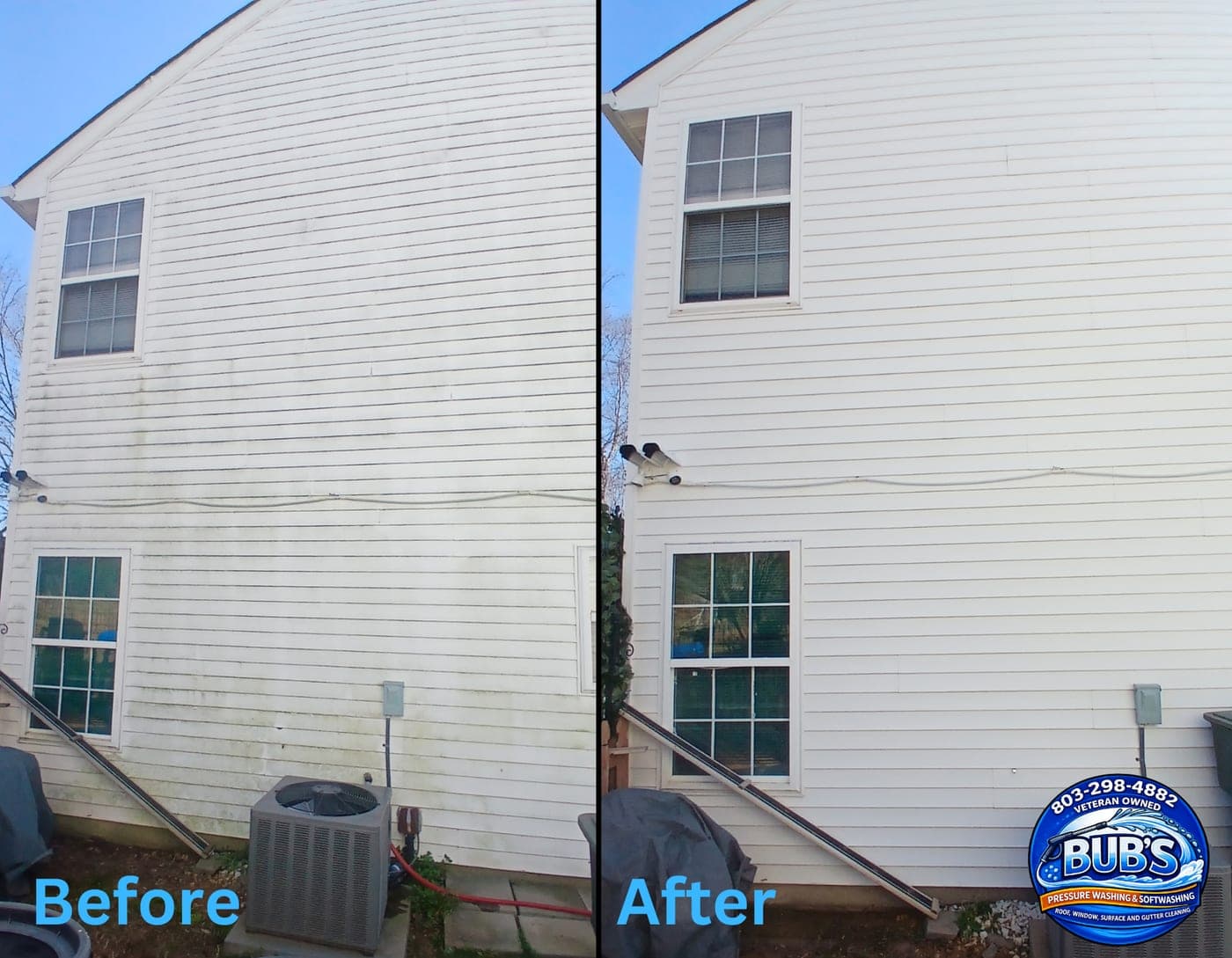
Siding is the quick win. A soft-washed wall looks clean the same day, because the solution kills the growth and the rinse carries it off. If the letter only cites the siding, one visit closes it out.
The roof needs one honest caveat. The black streaks start fading as soon as the algae dies, and most roofs look dramatically better right away. But thick moss and lichen die first and let go slowly, so heavily grown spots can keep lightening for weeks after the treatment. That's normal, and it's exactly why you book when the letter arrives instead of waiting for deadline week.
Then document everything. Take a photo of the staining before the wash and a dated photo after. Keep the invoice. In our experience boards mostly want to see action, and a homeowner who replies with proof of a completed or scheduled cleaning is in a strong spot. If lichen fade time will push past your date, say so in writing before the deadline and ask for the extra weeks. Silence is what earns fines, not fade time.
Don't blast it yourself the weekend before the deadline
A deadline makes people reach for rented pressure washers, and that's where a cheap letter gets expensive. Aim high pressure at asphalt shingles and it tears off the protective granules, the layer that shields the shingle from sun and sheds water. That can void the manufacturer warranty, and shingle makers name low-pressure soft washing as the method they recommend. A wet roof is also slick, and a fall costs more than any fine.
Siding isn't much safer. High pressure can crack vinyl, dent aluminum, break window seals, and drive water behind the panels where it has no way out. And a plain water blast doesn't kill the algae. It knocks the surface growth off without killing it, so the film shows back up sooner than it would after a wash that does. You could end up doing the job twice and still get next year's letter early.
The other deadline-week mistake is pouring straight bleach off a ladder. It hits too strong in some spots, too weak in others, and the runoff can burn the shrubs and lawn below. A pro pre-wets and rinses the landscaping so the wash doesn't cost you a flower bed.
How to answer the letter
Read the citation closely first. Some letters flag one wall, others bundle the roof, siding, gutters, and driveway into one notice. Those are different jobs, but a crew can handle them in a single visit, so knowing the full list before you book saves a second trip.
- Don't sit on it. Notice windows are workable when you move early. They get tight when the letter sits on the counter for three weeks.
- Clean the whole side, not just the flagged spot. Spot-cleaning one patch of wall leaves a clean square on a dingy wall, and that can draw a second look instead of closing the file.
- Match the fix to the surface. Soft wash for the roof and siding, a surface cleaner for concrete, a brightening treatment for streaked gutter faces. The wrong method on the wrong surface is how damage happens.
- Reply with proof. Dated photos and an invoice close a violation file faster than any phone call.
If you want it handled, this is exactly the kind of job we run every week. You can see how we clean roofs the safe way on our Columbia roof cleaning page, and if the letter cites your siding, our house washing page walks through that side of it. A quick walk-through tells you what the letter actually requires, what it doesn't, and how fast it can be off your plate. The free estimate costs you nothing but the walk.